Buying harvesting rights
We buy harvesting rights to standing timber in Tartu, Jõgeva and Viru counties. We assess the forest, agree the scope of work, price and schedule, and carry out the harvesting through our own group companies.
Buying regions: Tartu, Jõgeva and Viru counties
What we buy
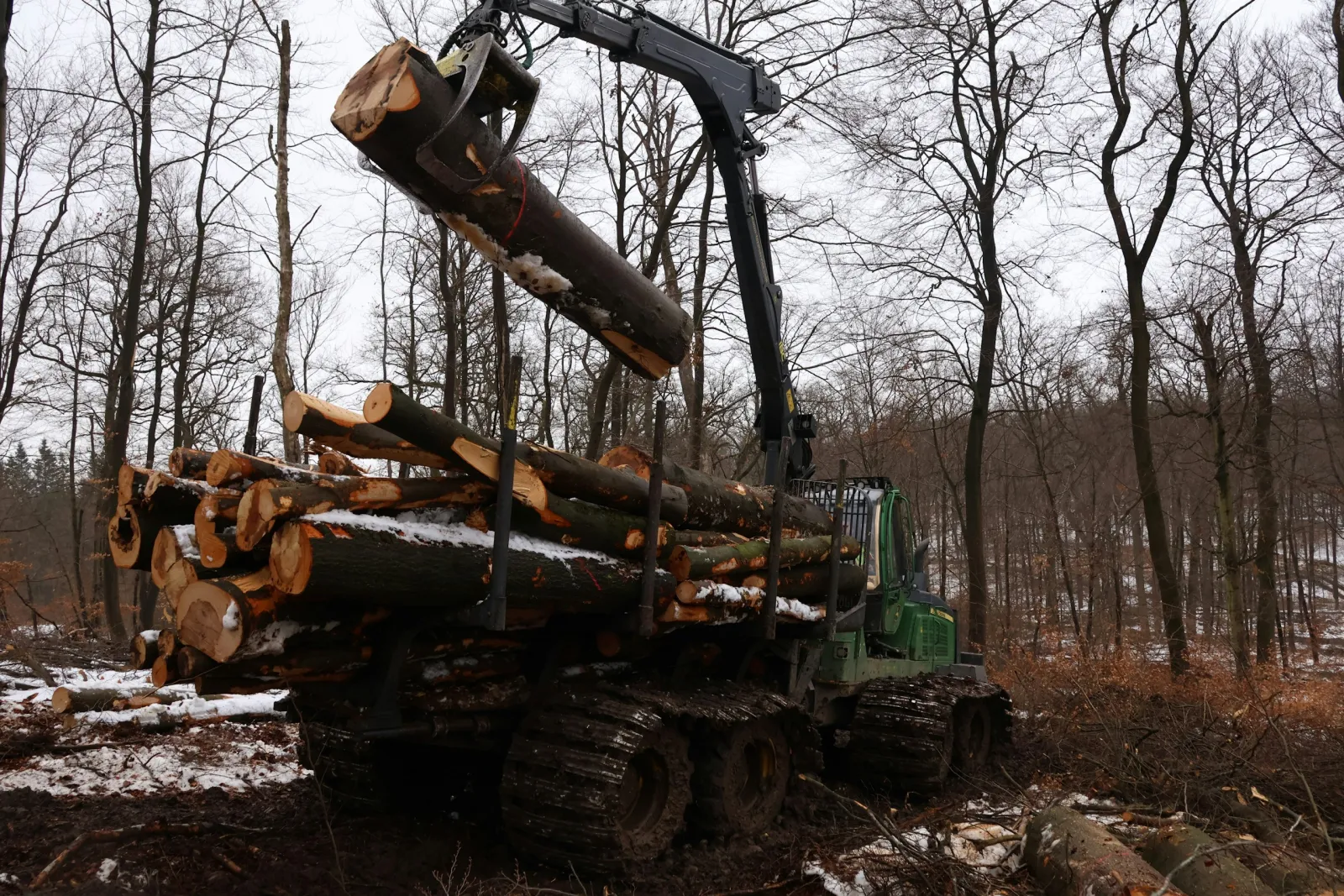
When you sell harvesting rights, the property remains yours and BaltWood buys the right to carry out an agreed harvest. The type of harvesting, scope of work, price and terms are agreed before work begins.
- Regeneration cutting rights in mature stands
- Thinning rights in stands where thinning is prescribed
- Sanitary cutting rights in damaged or declining stands
- Cutting rights even where the forest notification has not yet been submitted
- Cutting rights on properties where access requires a separate agreement
How the price of harvesting rights is determined
The price of harvesting rights depends on how much timber can be harvested, what assortments it yields and how complex the work is to carry out. We assess timber assortments, the type of harvesting, access, ground conditions and any restrictions in force.
- Standing timber volume and assortment distribution affect the price of harvesting rights, as both the total volume and the share of sawlogs, pulpwood and other assortments matter.
- Tree species and stem quality affect the value of the timber harvested.
- The type of harvesting affects both the volume harvested and how the work is organised.
- Forwarding distance and the availability of a landing area affect harvesting logistics and cost.
- Ground bearing capacity affects when and under what conditions harvesting can be carried out.
- A valid forest notification and any harvesting restrictions affect when work can begin and under what conditions.
- The size and location of the harvesting area affect work efficiency and operating costs.
How it works
-
Inquiry
Send us the cadastral reference and, if known, the type of harvesting you have in mind.
-
Assessment
We inspect the forest, assess the standing timber volume and assortments, and review access and forwarding conditions.
-
Offer
We make an offer for the harvesting rights, including the scope of work, type of harvesting and expected schedule.
-
Forest notification and contract
We check that the required forest notification is in place and agree the terms of the harvesting rights.
-
Harvesting and clean-up
We carry out the agreed cutting and leave the site in order when the work is complete.
An offer for harvesting rights usually requires a site visit. For areas up to 10 ha, we make an offer within 5 working days, and for larger areas within 10 working days.
Frequently asked questions
Does the property stay mine after I sell the harvesting rights?
Do I have to file the forest notification myself?
When does the harvesting start and how long does it take?
What happens to the logging residues and the site after harvesting?
Does a harvesting rights agreement have to be notarised?
We also buy
- Buying forest land We buy forest properties in Tartu, Jõgeva and Viru counties. For properties up to 10 ha, we make an offer within 5 working days.

- Buying farmland We buy arable land and grassland. We assess the location, condition, possible uses and access.

- Buying timber We buy timber by assortment. Volumes, quality requirements and delivery terms are agreed before transport. Our larger partners include Stora Enso Eesti, Estonian Plywood, Holmen Mets AS and Estonian Cell.

- Buying wood chips We buy wood chips and material suitable for chipping. Transport is arranged according to volume and location.

Request an offer for your property
Send us the cadastral reference and your contact details. We will review the property and make an offer.